 All about product
 Specification
 Reviews
 Questions
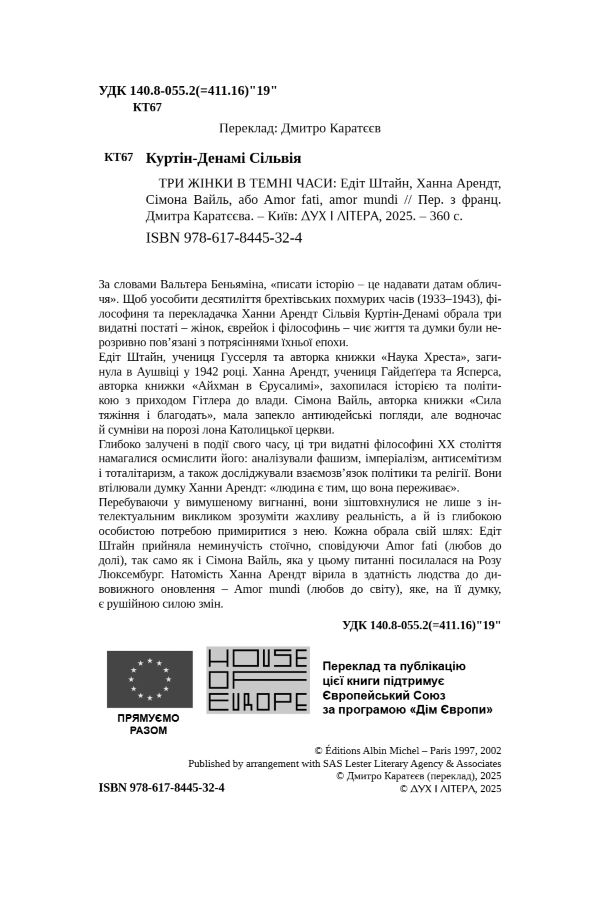

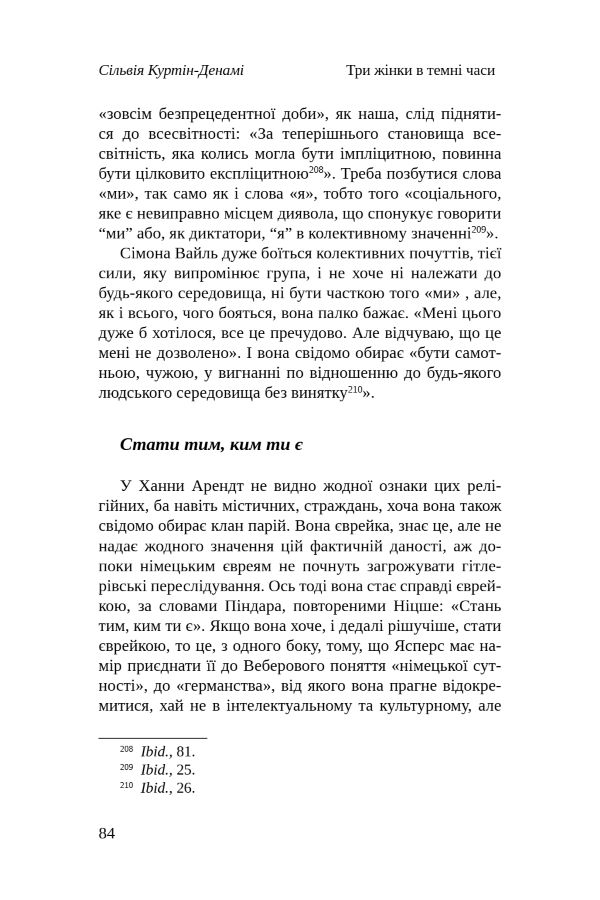
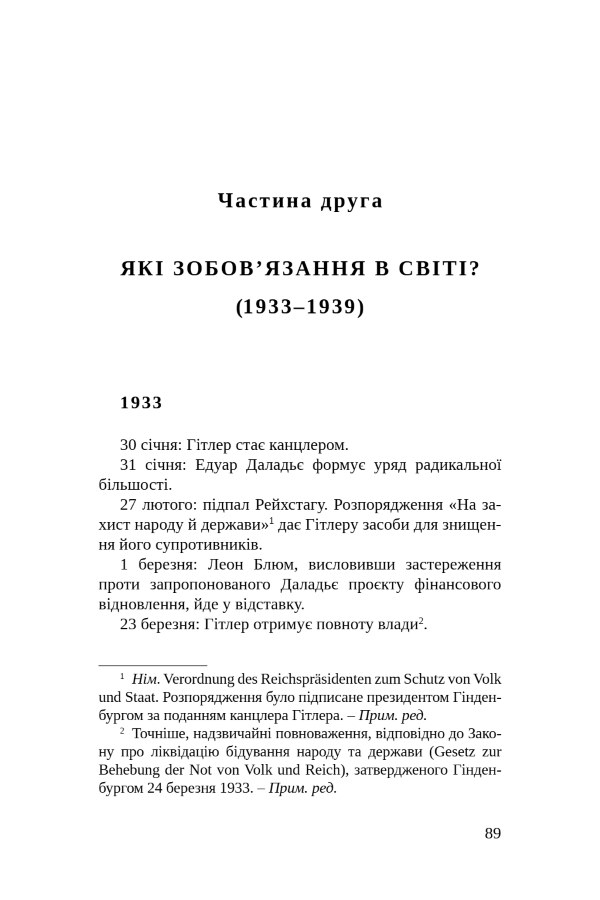
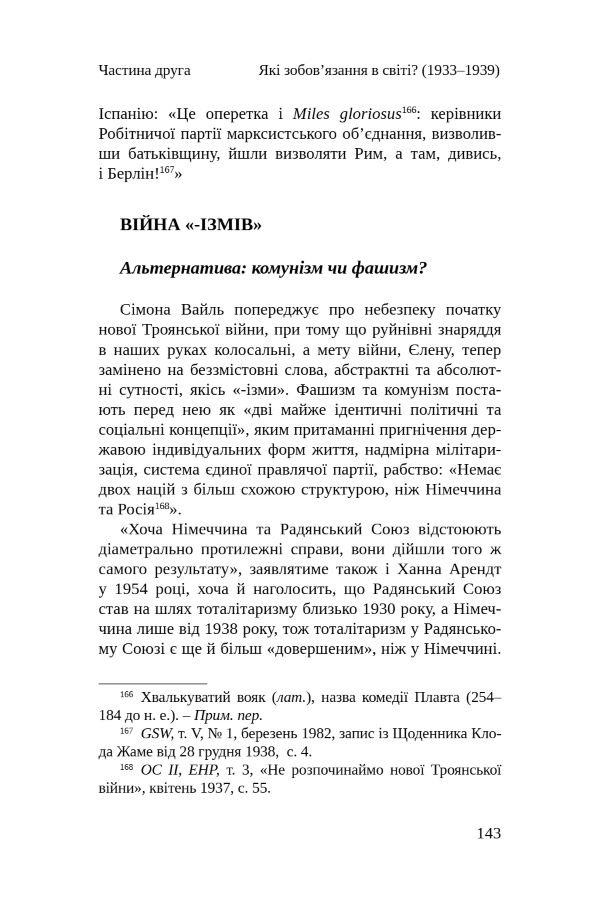
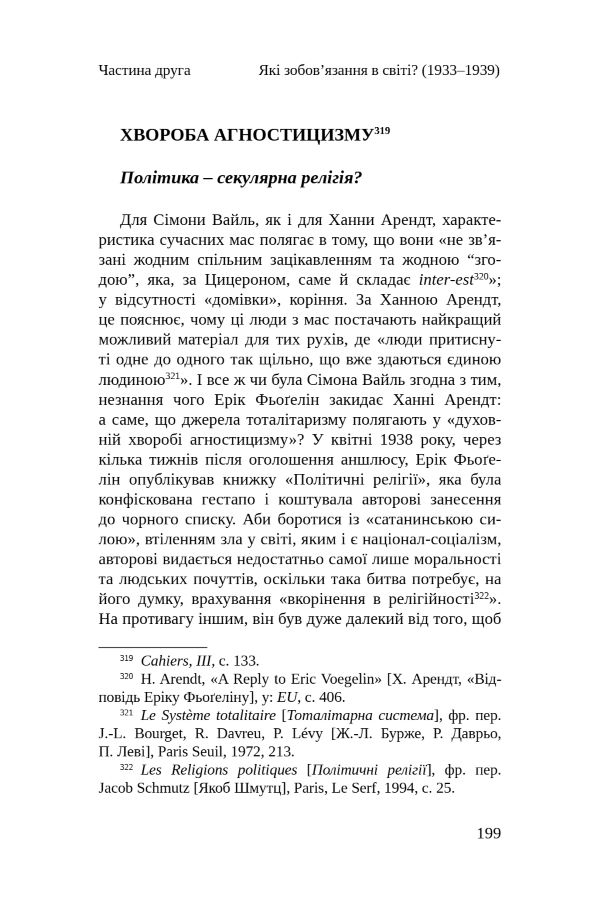
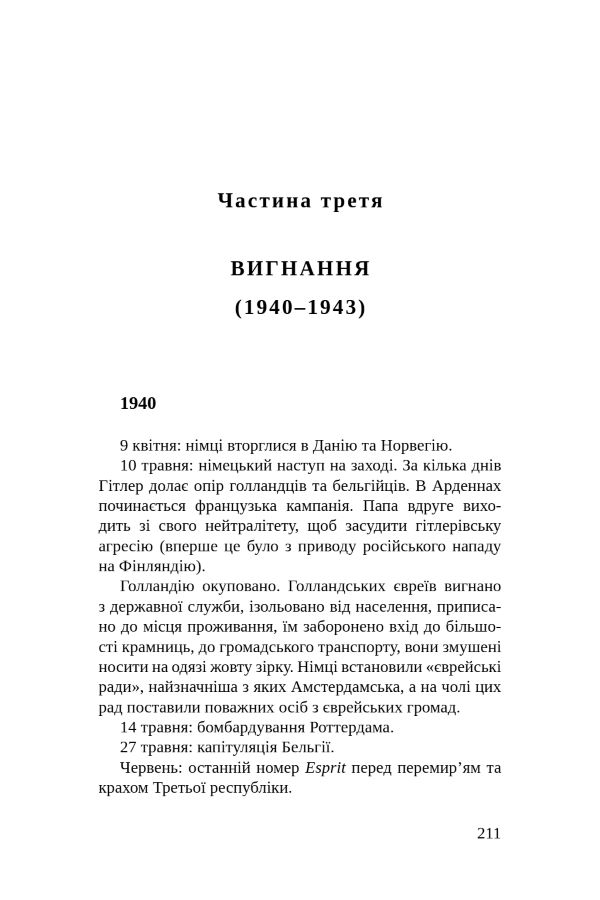
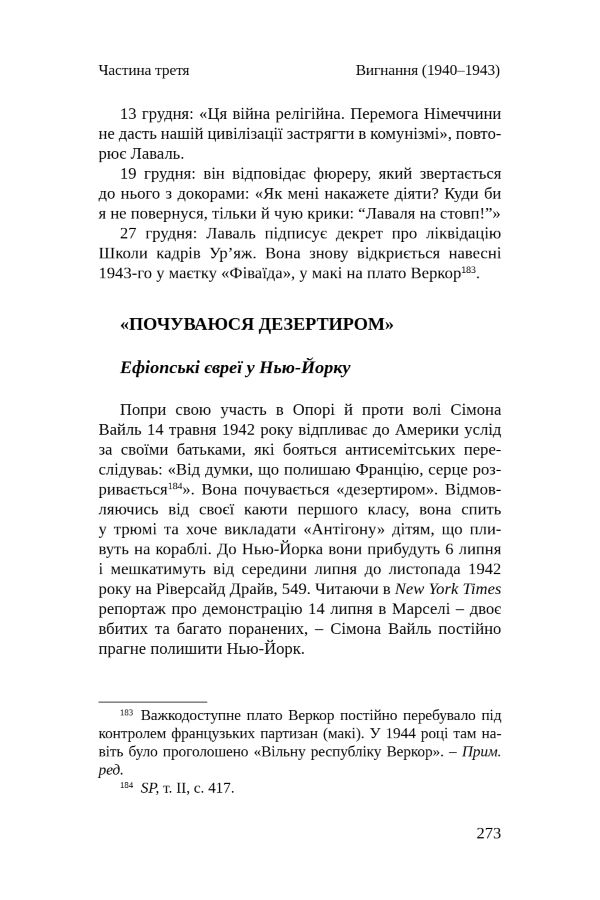
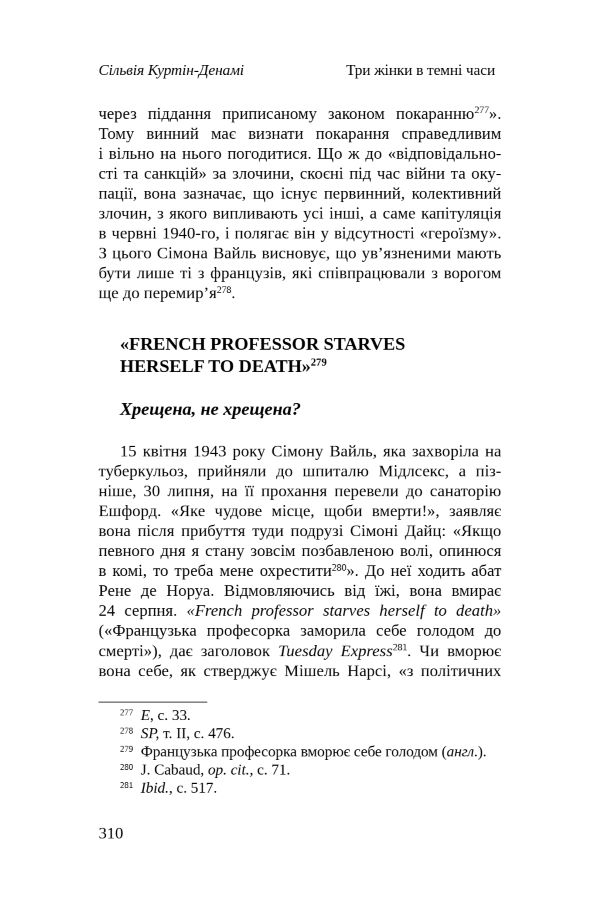


As Walter Benjamin said, “To write history is to give faces to dates.” To represent the decade of Brecht’s dark times (1933–1943), philosopher and translator of Hannah Arendt, Sylvia Kurtin-Denami, has chosen three prominent figures—women, Jews, and philosophers—whose lives and thoughts were inextricably linked to the upheavals of their era.
Edith Stein, a student of Husserl and author of The Science of the Cross, died in Auschwitz in 1942. Hannah Arendt, a student of Heidegger and Jaspers, author of Eichmann in Jerusalem, became fascinated with history and politics with Hitler’s rise to power. Simone Weil, author of Gravity and Grace, was fiercely anti-Jewish, but also had doubts about the Catholic Church.
Deeply involved in the events of their time, these three prominent 20th-century philosophers sought to make sense of it: they analyzed fascism, imperialism, anti-Semitism, and totalitarianism, and they explored the relationship between politics and religion. They embodied Hannah Arendt’s idea that “man is what he experiences.”


There are no reviews for this product, be the first to leave your review.


No questions about this product, be the first and ask your question.

