 All about product
 Specification
 Reviews
 Questions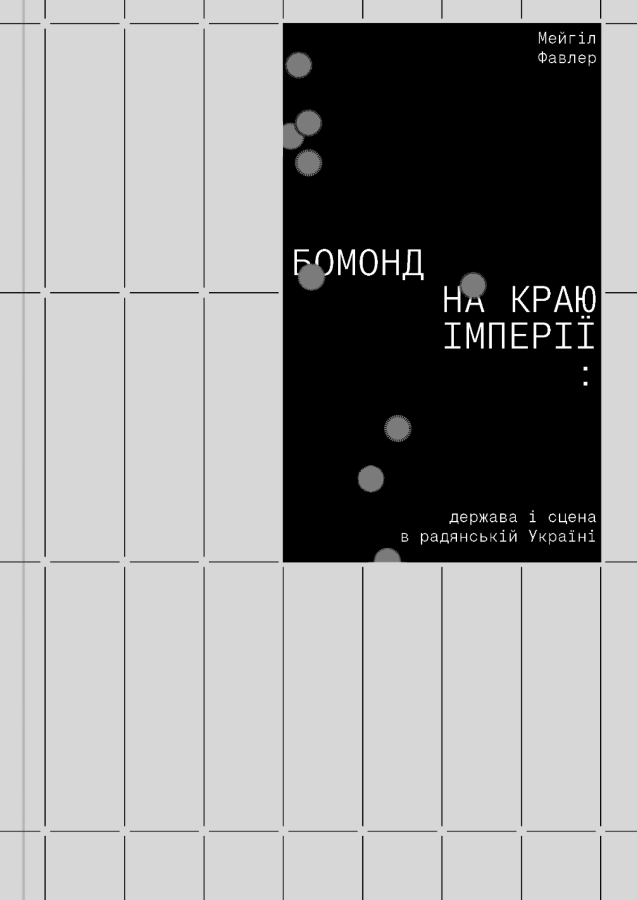
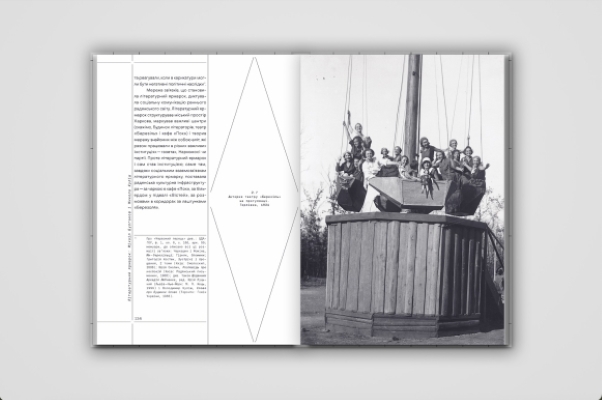
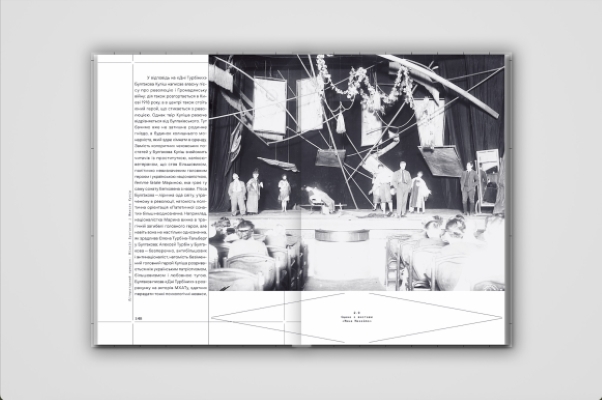
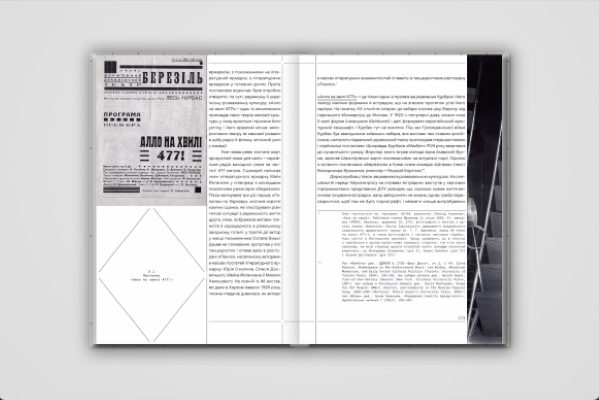
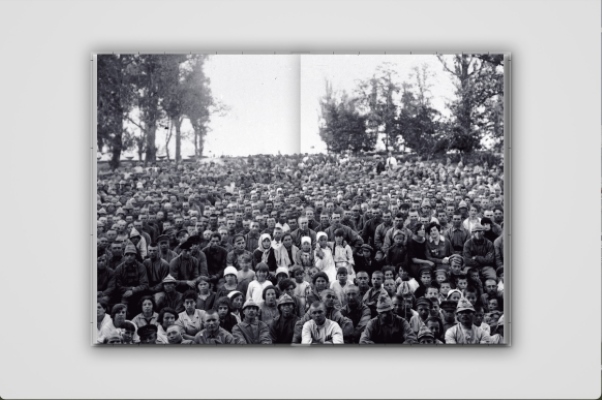


In the Ukrainian edition, prepared jointly with the Center for Urban History, the author explores the complex relationship between art and the state in Soviet Ukraine in the 1920s and 1930s through a collective biography of artists and officials who created culture in the diverse environment of Kharkiv at that time.
The main characters of this book — Les Kurbas, Mykola Kulish, Ostap Vyshnya — created a modern innovative theater on the level of the best European examples, but their names are still little known and are on the margins of research.
How did this happen? Meigil Fawler writes about the paradoxes of Soviet artistic culture and its transformation: from unique artistic centers on the periphery of the former empire (in particular, in Kharkiv) to the centralization of culture in Moscow; from the joint development of a new Ukrainian culture by artists and officials to the “unification of the world of bureaucracy and the world of art,” where “the gap between civil servants and servants of art was erased, which gave rise to the types of official artists and officials from art in the Stalinist 1930s.”
The system where “artists gained power through relations with the state, and the state gained power by supporting culture” is that world of beau monde, “a unique combination of art and state apparatus for the Soviet Union, [where]… artists were so important that they received both the highest honors and prison terms or a bullet in the head.”
“But first and foremost, theater is a game. In order to play well on stage, you need spontaneity, a knack for improvisation, and creativity. In order to play well in front of an audience, you need to be ready to experience emotions and expect the unexpected. In other words, the planning and control that we associate with the Soviet project are incompatible with a good performance.
Thus, the world of theater allows us to explore the paradoxes of Soviet artistic culture: theater is by its nature a non-mass medium, but in those years it was created for the Soviet masses. Theater is a place of spontaneity and play, and in the USSR it developed under a dictatorship that tried to plan and control everything. Theater represented the world around it and at the same time tried to change it.


There are no reviews for this product, be the first to leave your review.


No questions about this product, be the first and ask your question.
