 All about product
 Specification
 Reviews
 Questions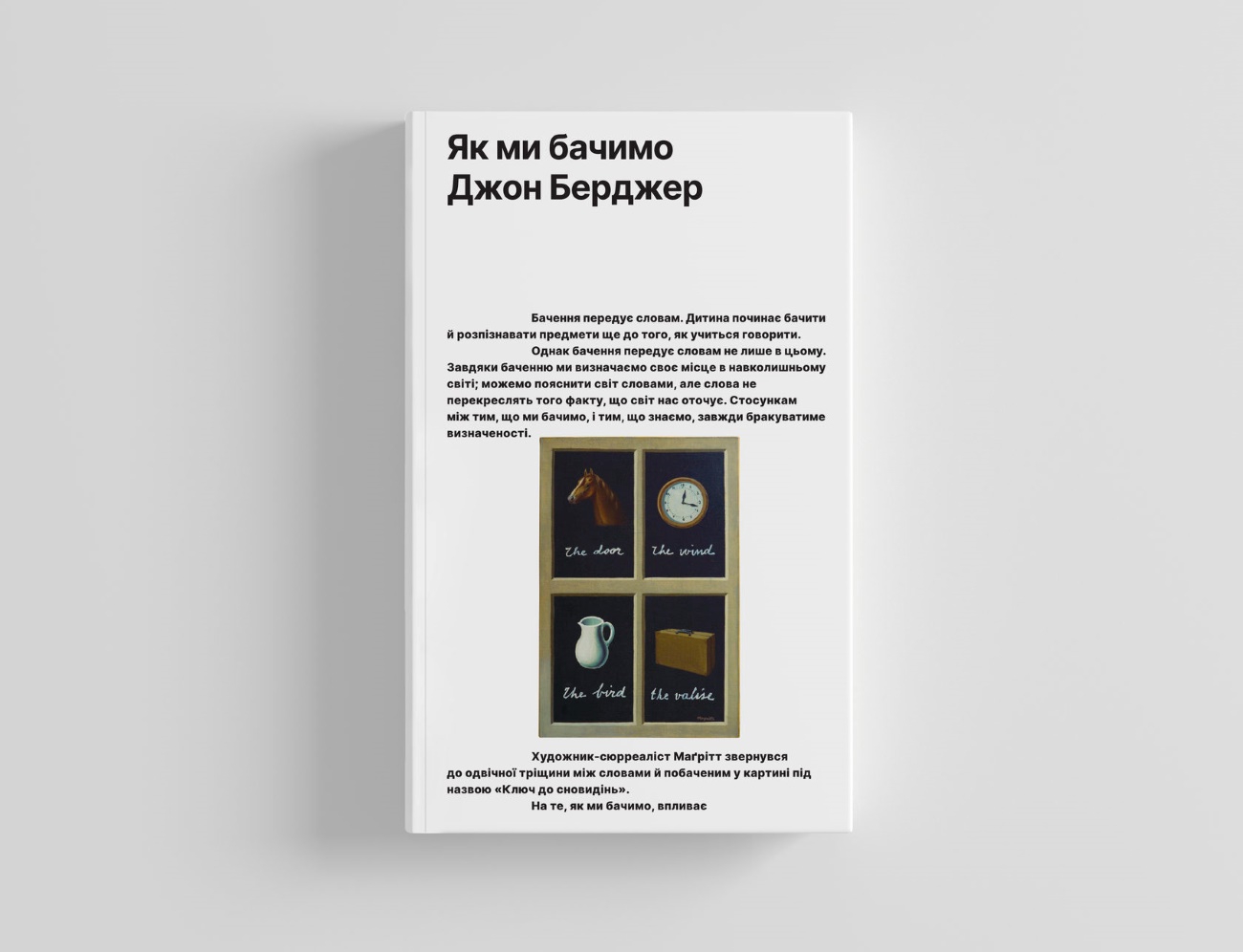


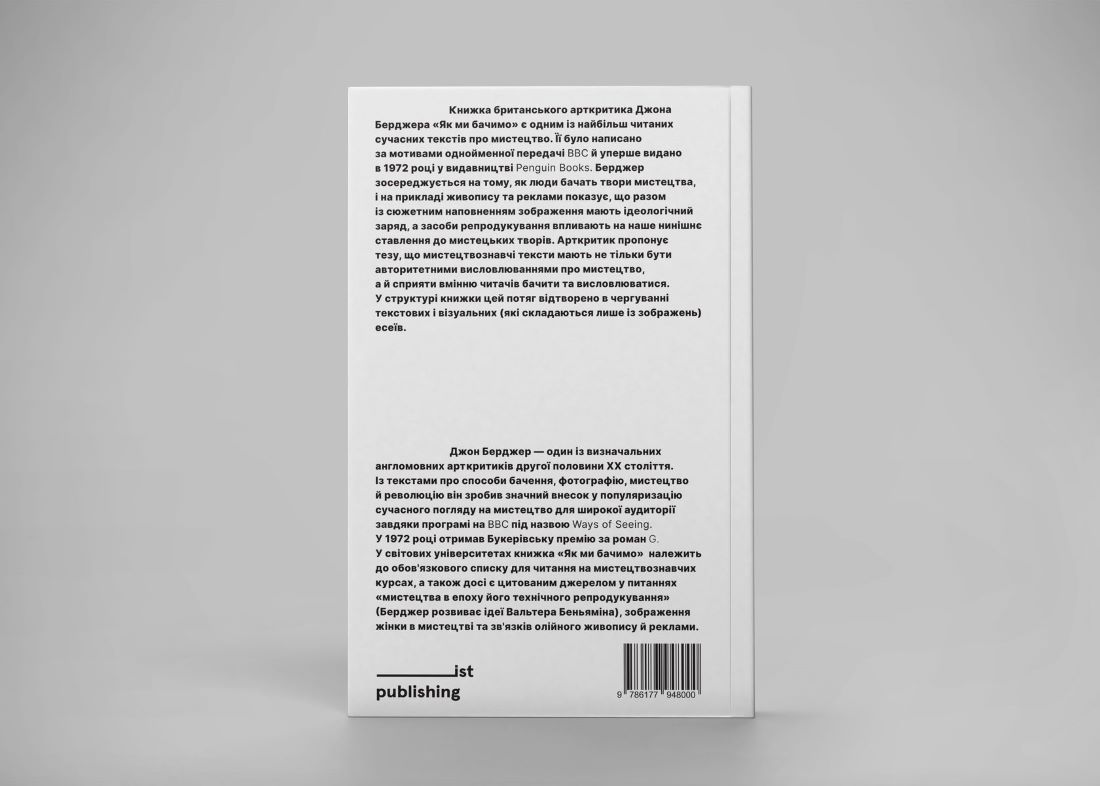


The book “As We See” by the British art critic John Berger is one of the most widely read contemporary texts about art. It was written based on the BBC series of the same name and was first published in 1972 by Penguin Books.
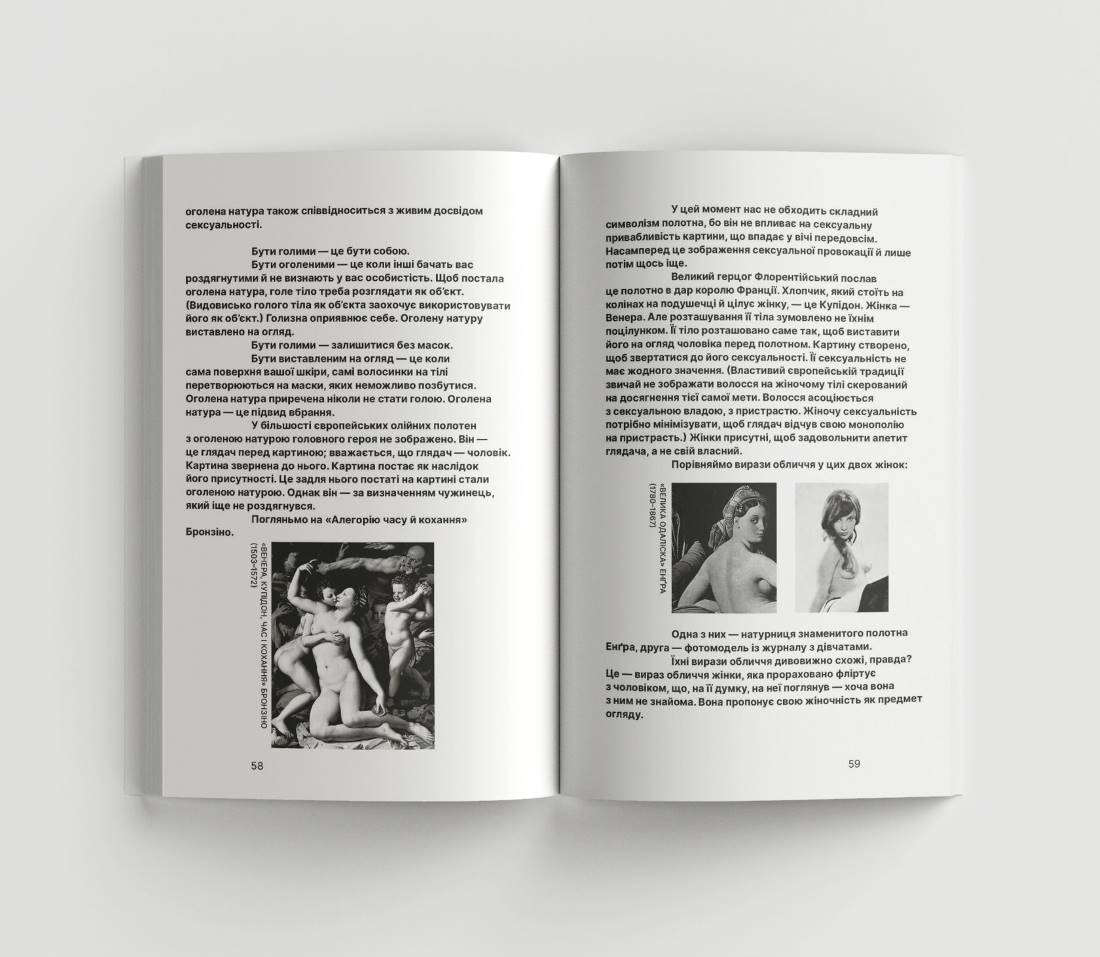
Berger focuses on how people see works of art, and using the examples of painting and advertising, he shows that, along with the plot content, images have an ideological charge, and the means of reproduction influence our current attitude towards works of art.
The art critic proposes a thesis that art texts should not only be authoritative statements about art, but also contribute to the ability of readers to see and express themselves. The structure of the book reproduces this tendency in the alternation of text and visual essays (which consist only of images). The reader looks at the image, and then reads the text. Reads and then independently examines the image. The book's purpose is to recreate this drive in the author's attempt to "begin to ask questions." It was important to Berger to create a book in which discussions of issues about art and technical reproduction, the female body, advertising, and oil painting would be taken up by readers and further discussed by a wide range of people: students, artists, art institutions, and other art historians.
Berger is one of the defining English-speaking art critics of the second half of the 20th century. With texts on modes of seeing, photography, art, and revolution, he also made a significant contribution to popularizing the modern view of art for a wide audience. In universities around the world, Berger's book is on the required reading list for art history courses, and is still a cited source on the issues of "art in the age of its technical reproduction" (Berger develops the ideas of Walter Benjamin), the image of women in art, and the connections between oil painting and advertising.


There are no reviews for this product, be the first to leave your review.


No questions about this product, be the first and ask your question.

